DIY Fitness Equipment Troubleshooting: Quick Fixes for Common Issues

Like any DIY project, you might encounter some issues along the way. Knowing how to troubleshoot these common problems can save you time and keep your workout schedule on track.
Loose Bolts and Screws
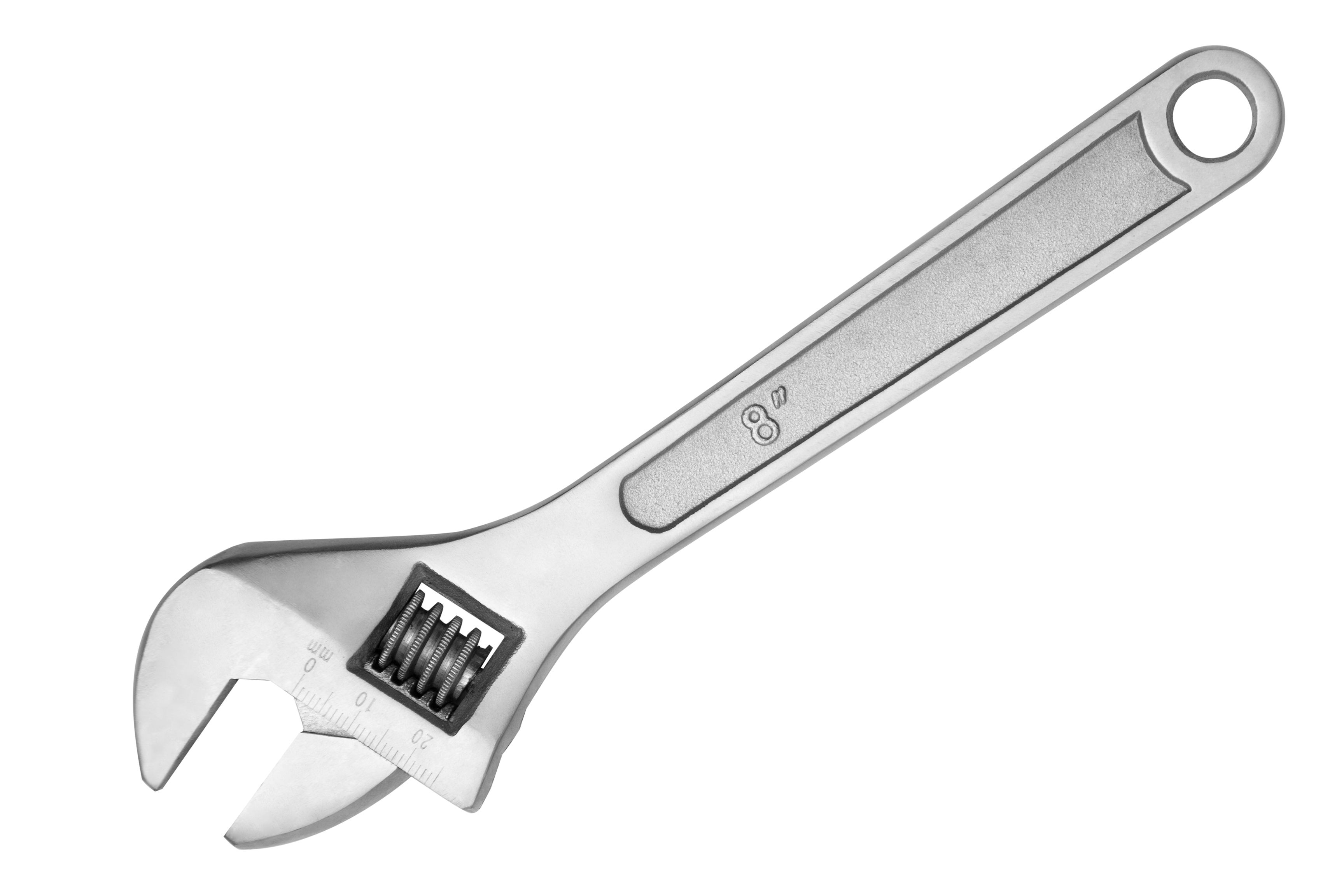
One of the most common issues with DIY fitness equipment is loose bolts and screws. This can lead to instability and make your equipment unsafe to use. Regularly check all connections, especially after heavy use. Tighten any loose bolts using the appropriate tools, usually a wrench or screwdriver.
If you notice that screws are becoming loose frequently, consider using a thread-locking adhesive. This can provide extra security and prevent the need for constant adjustments. However, be cautious with its application, as you may want to disassemble parts in the future.
Worn-Out Materials
Over time, materials like rubber, foam, and fabric can wear out. This is particularly common in parts that experience a lot of contact, such as grips and padding. Inspect these areas regularly for signs of wear and tear.
When replacement is necessary, choose durable materials designed for heavy use. For grips, consider using athletic tape as a temporary fix until you can replace them. This can help maintain your equipment’s functionality and comfort.

Unstable Structures
Stability is crucial for any fitness equipment. If you find that a piece of equipment is wobbling or feels unstable, check the base and joints. Ensure that all components are securely fastened and that the base is on a level surface.
For added stability, you can use non-slip mats under the equipment. These mats not only prevent slipping but also protect your floors from scratches and damage.
Resistance Mechanism Issues
DIY resistance mechanisms, like those in homemade weight machines, can sometimes malfunction. If you experience inconsistent resistance, inspect the pulleys and cables for any obstructions or signs of wear. Replace any frayed cables immediately to avoid accidents.

For tension bands or springs, ensure that they are properly anchored and not overstretched. If a band snaps, replace it with a new one to maintain safety and effectiveness in your workouts.
Keeping Your Equipment in Top Shape
Regular maintenance is key to extending the life of your DIY fitness equipment. Establish a routine to clean and inspect your equipment, addressing minor issues before they become major problems. This proactive approach will help you enjoy your workouts without unexpected interruptions.
By understanding and addressing these common issues, you can ensure that your DIY fitness equipment remains safe, effective, and enjoyable to use. Keep these tips in mind, and you’ll be able to tackle any problem that comes your way with confidence.