Exploring the Latest Trends in Fitness Equipment Technology


The Rise of Smart Fitness Equipment
In recent years, the fitness industry has witnessed a technological transformation. At the forefront of this revolution is the integration of smart technology into fitness equipment. These innovations are not just about adding flashy features; they are fundamentally changing how we approach exercise. From real-time performance tracking to personalized workout plans, smart fitness equipment is designed to enhance the user experience and improve outcomes.
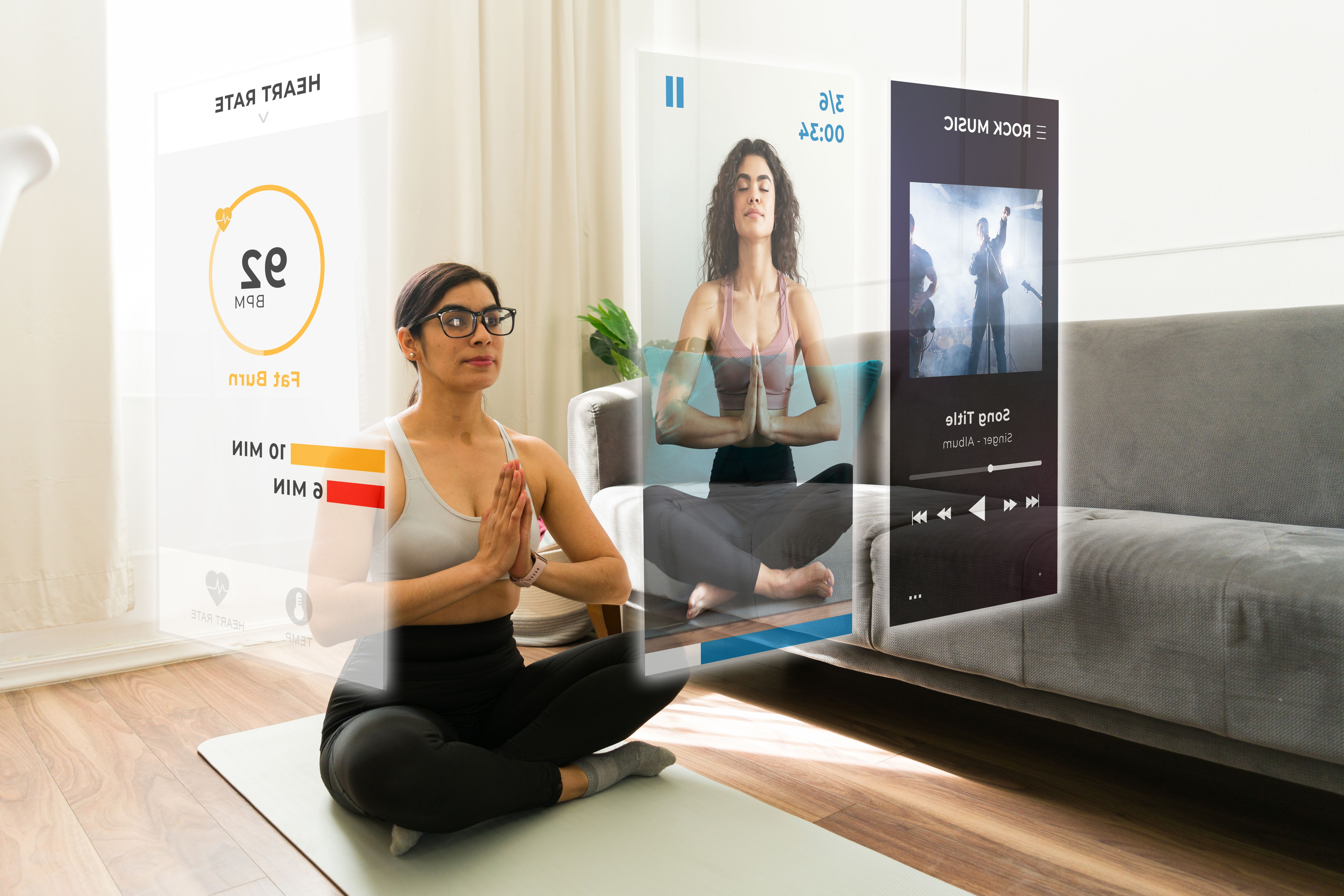
One of the most significant advantages of smart fitness equipment is its ability to track and analyze workout data. Many machines now come with built-in sensors that monitor metrics such as heart rate, calories burned, and even muscle activity. This data is often synced to apps, providing users with detailed insights and helping them to tailor their workouts for optimal results.
Virtual Reality Workouts
Virtual reality (VR) is making waves in the fitness industry by offering immersive workout experiences. VR technology allows users to engage in workouts that are both entertaining and challenging. Imagine cycling through a scenic mountain range or participating in a high-intensity boxing class in a virtual arena. These experiences can make workouts more enjoyable and motivate users to push their limits.

Additionally, VR fitness can be particularly beneficial for those who find traditional exercise routines monotonous. By providing a variety of virtual environments and scenarios, users can keep their workout routines fresh and exciting, which can lead to better adherence to fitness goals.
Connected Home Gyms
With the rise of home workouts, connected home gyms have become increasingly popular. These systems typically include a combination of smart equipment and interactive content. Many connected home gyms offer live and on-demand classes, allowing users to join sessions led by professional trainers from the comfort of their homes.
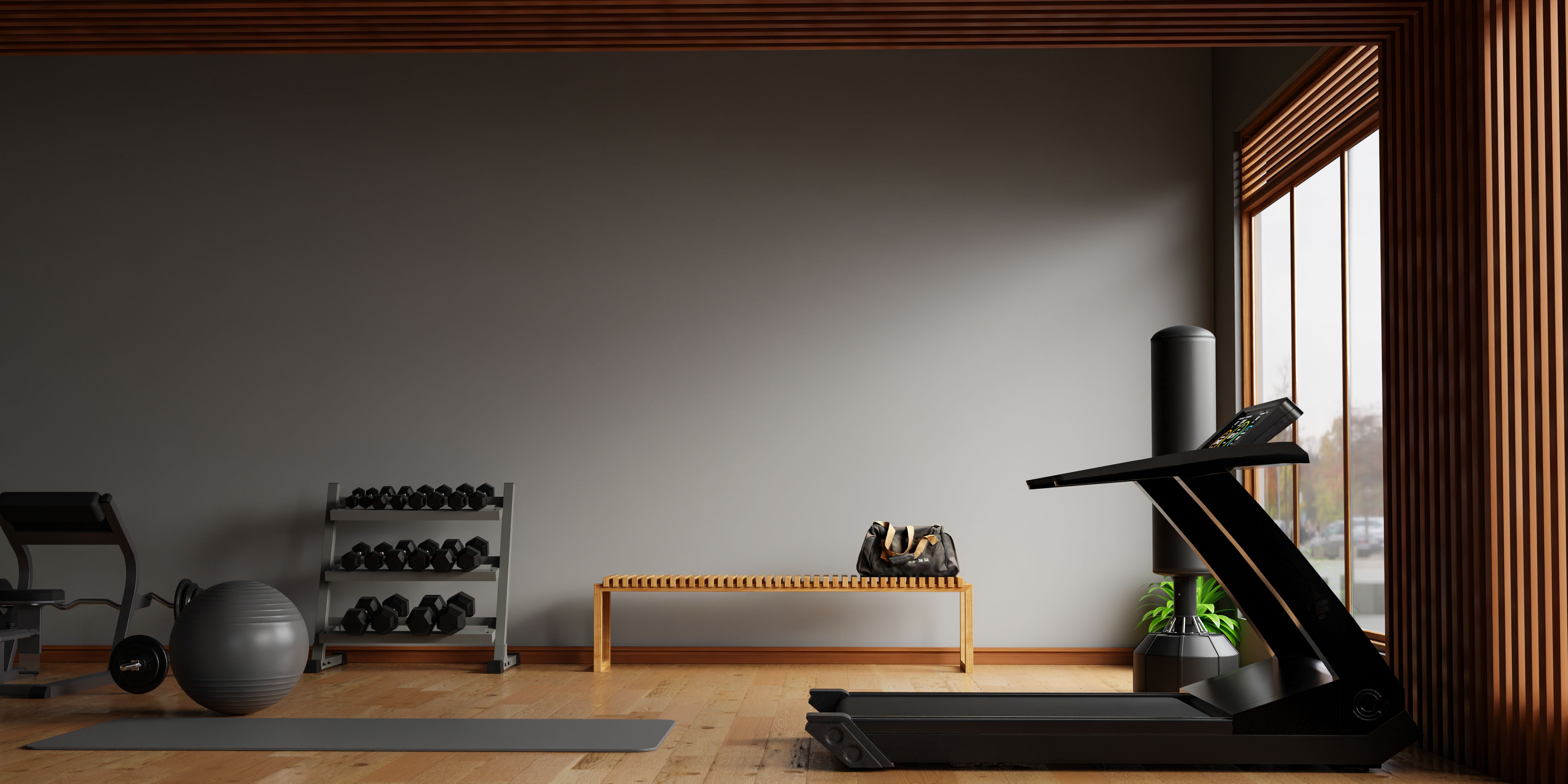
Moreover, connected home gyms often include community features, such as leaderboards or social media integration, to foster a sense of belonging and competition. This can be a powerful motivator, encouraging users to stay engaged and committed to their fitness journeys.
Wearable Fitness Technology
Wearable technology continues to play a crucial role in the fitness landscape. Devices like smartwatches and fitness trackers offer a convenient way to monitor various health metrics. Beyond tracking steps and heart rate, modern wearables can now provide insights into sleep patterns, stress levels, and even recovery times.
These devices often integrate with fitness equipment, enabling users to have a comprehensive view of their health and progress. By leveraging data from wearables, individuals can make informed decisions about their exercise routines and lifestyle choices.
Eco-Friendly Fitness Equipment
As sustainability becomes a priority for many consumers, the demand for eco-friendly fitness equipment is on the rise. Manufacturers are responding by developing machines that minimize environmental impact. This includes using sustainable materials, energy-efficient designs, and even equipment that generates electricity as users work out.
Eco-friendly fitness equipment not only appeals to environmentally conscious consumers but also promotes a healthier planet. As this trend continues, we can expect to see more innovations focused on sustainability in the fitness industry.